


Good morning, earthlings.
Welcome back to the Amoeba: the pile of broken shards glinting in the dustpan of Unnatural Heritage. The Amoeba is the looser, more casual companion to my typical long-form essays—a gooey slime mold of half-baked ideas, shared with you in hopes that they’ll spawn over time.
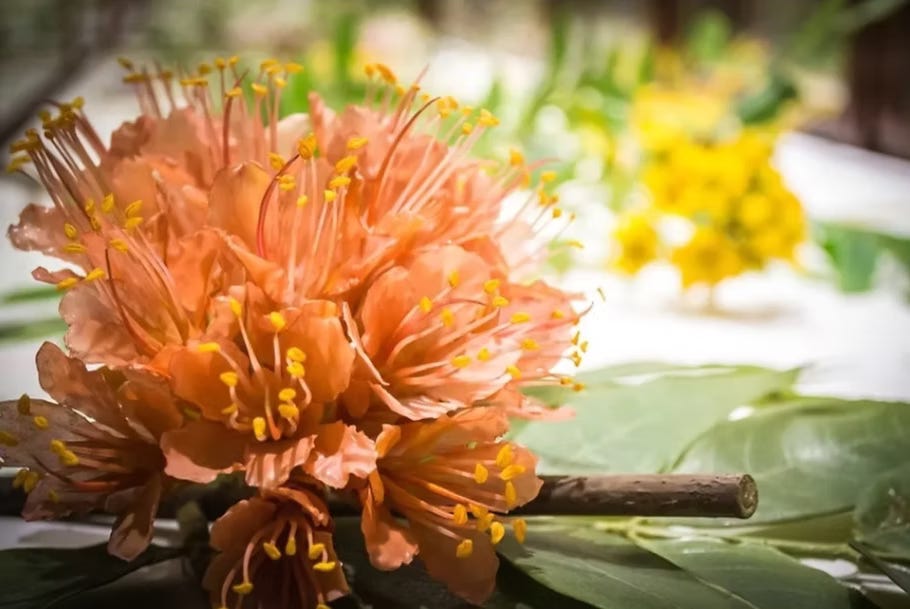
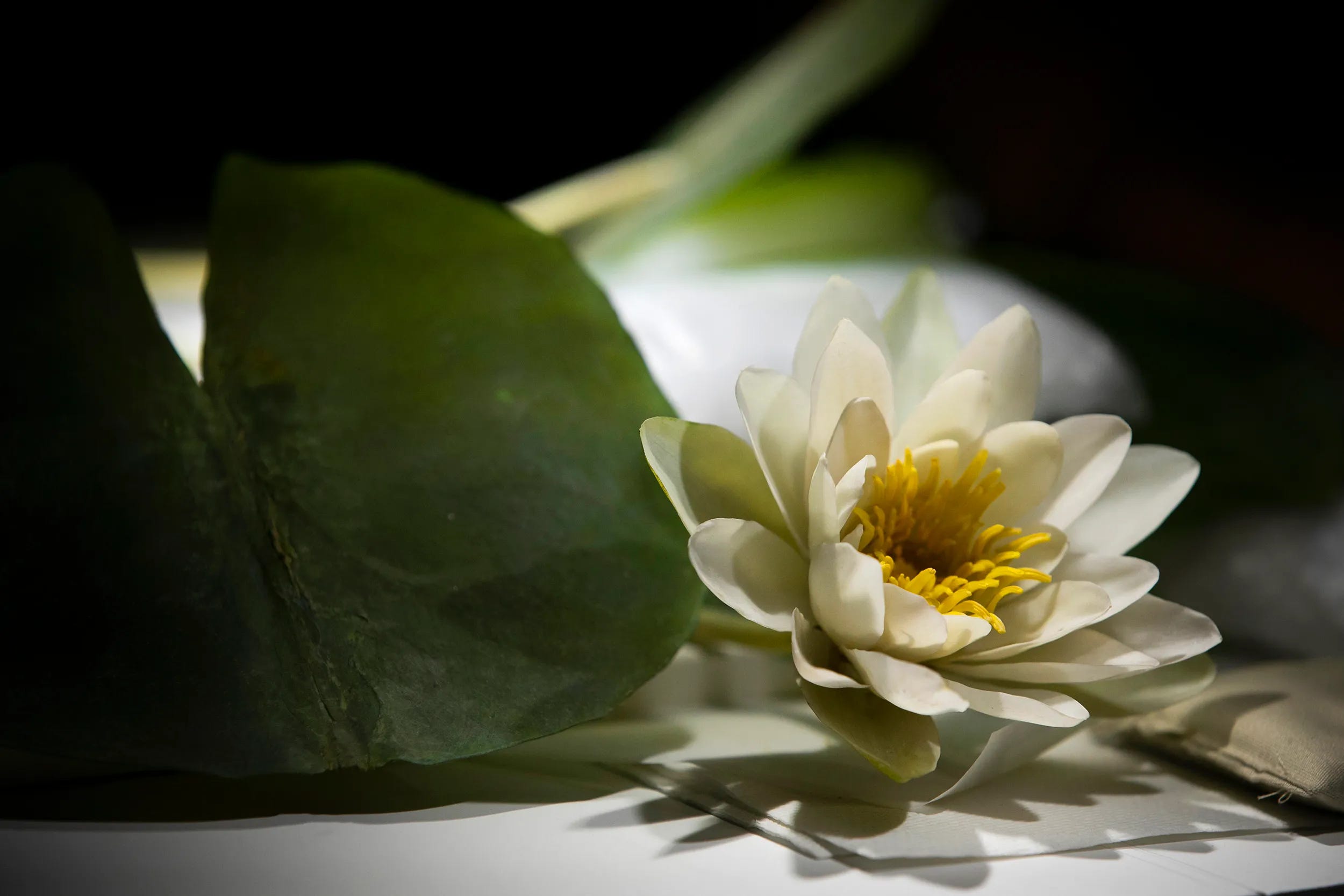
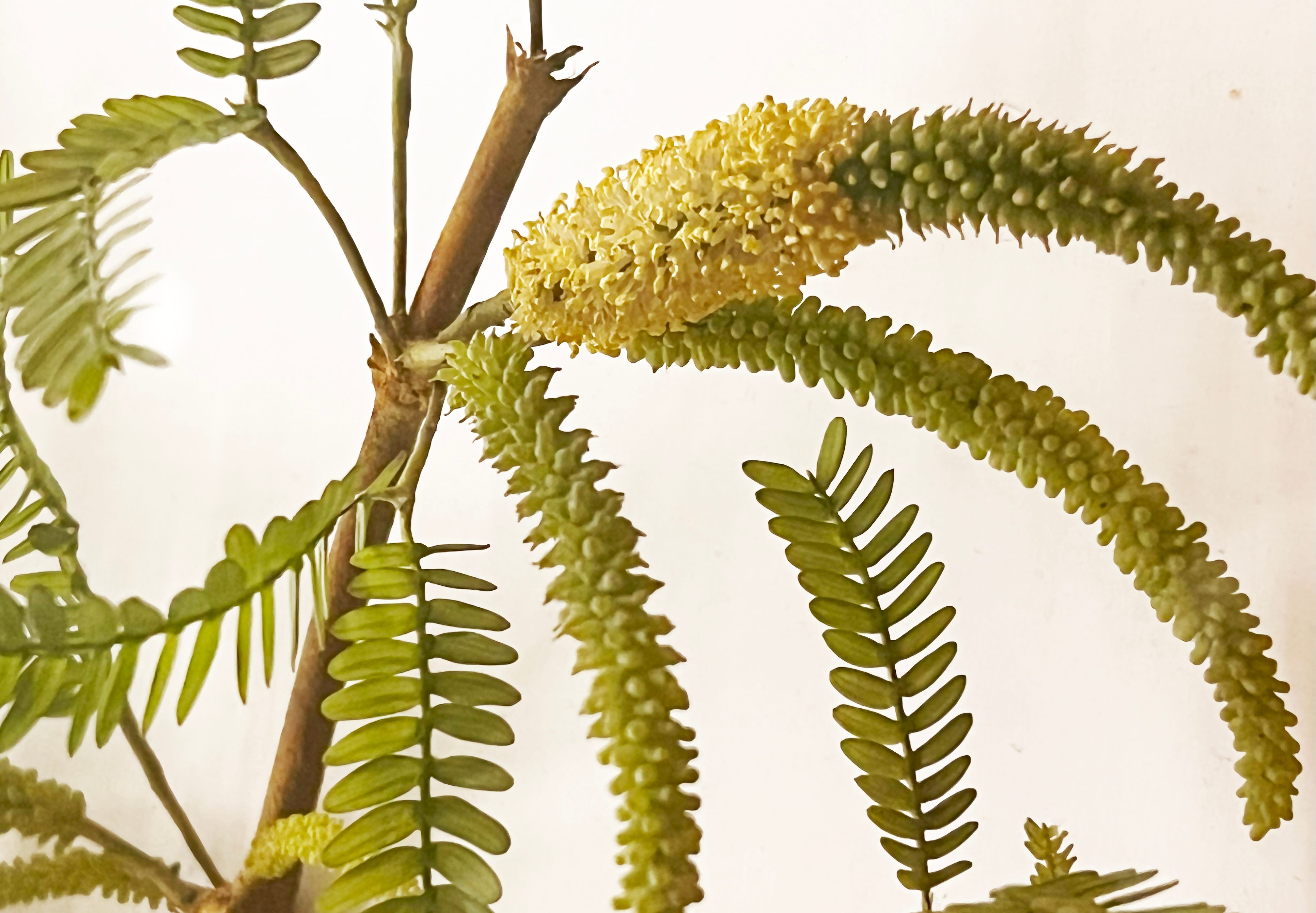
I was recently on a work trip to Boston, and I managed to check off a key item on every botany nerd’s bucket list: a visit to the Glass Flowers Gallery at the Harvard Museum of Natural History. The gallery features nearly 850 life-sized anatomical models of plants, comprising more than 700 species from all around the world, each one made—inconceivably—from glass.
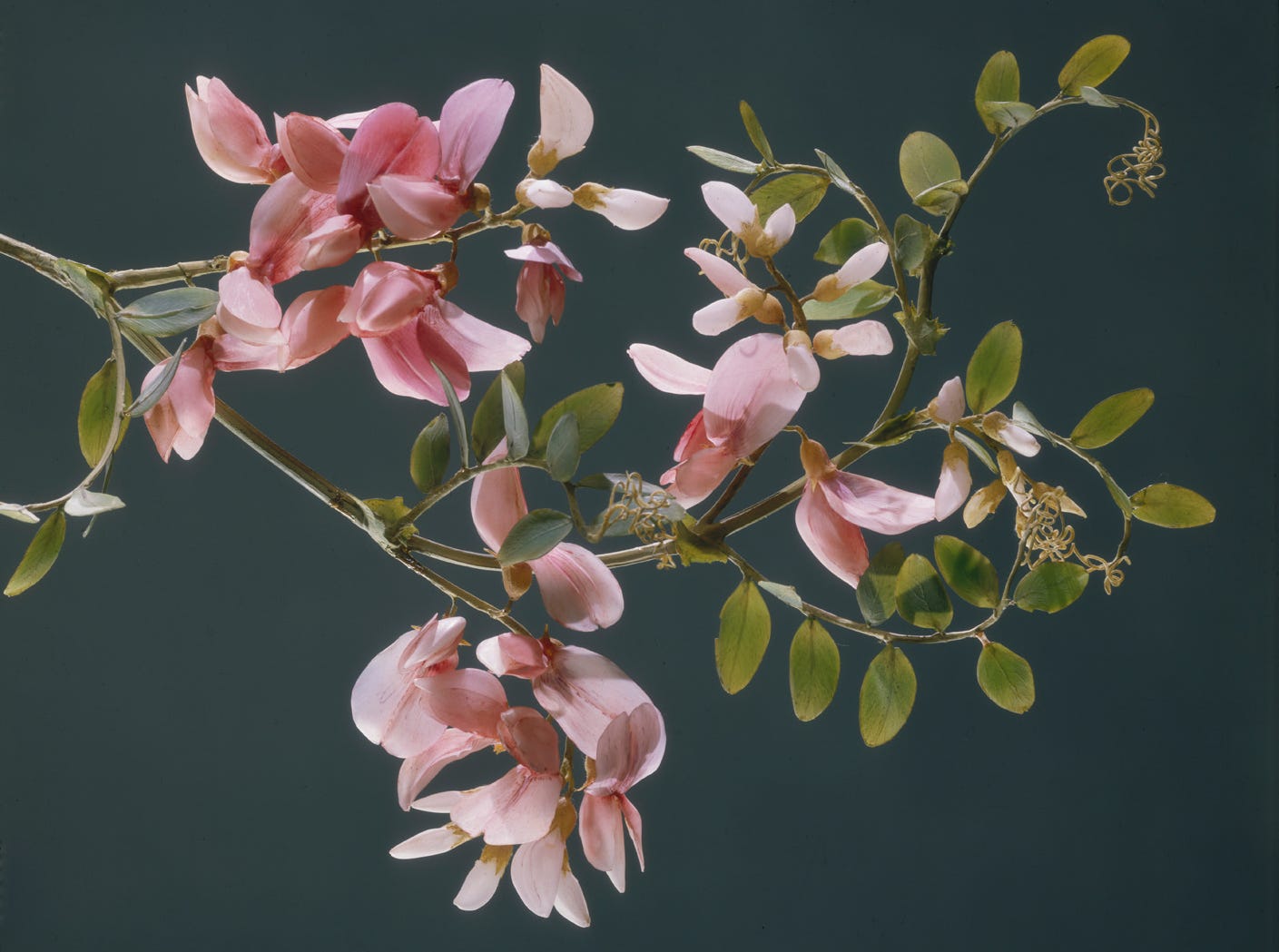
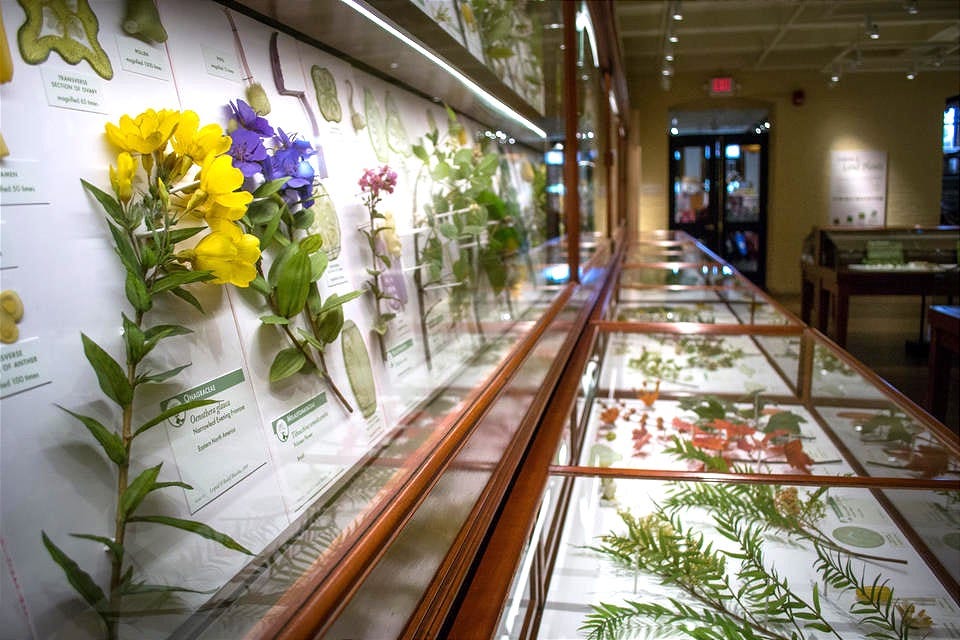
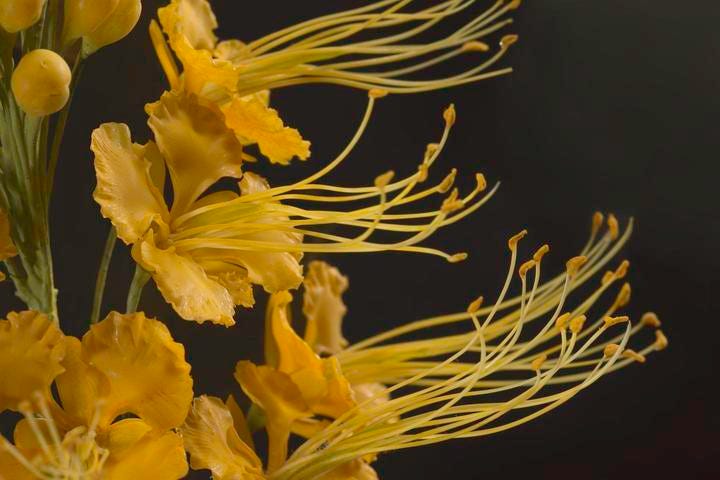
Designed as educational tools for the Botanical Museum at Harvard, the glass flowers are the work of Leopold and Rudolf Blaschka—a father and son team of Czech glass artists who developed the collection over a span of fifty years, from 1886 to 1936. I visited the collection on a Sunday afternoon, and the vibe in the room was one of pure incredulity. A steady chime of whoas and what?!s percolated through the gallery, punctuated by the occasional “no wayyy” and at least one “grandma’s ass it’s glass”, delivered in a thick Irish accent. The attention to detail was mesmerizing. Bewildering. Every little stamen was accounted for. Every tendril. Every vein. I could feel my brain begin to sputter and spark. At some point I just glitched out entirely. Mouth ajar, eyes asquint, the lines on my brow furrowing deeper and deeper.
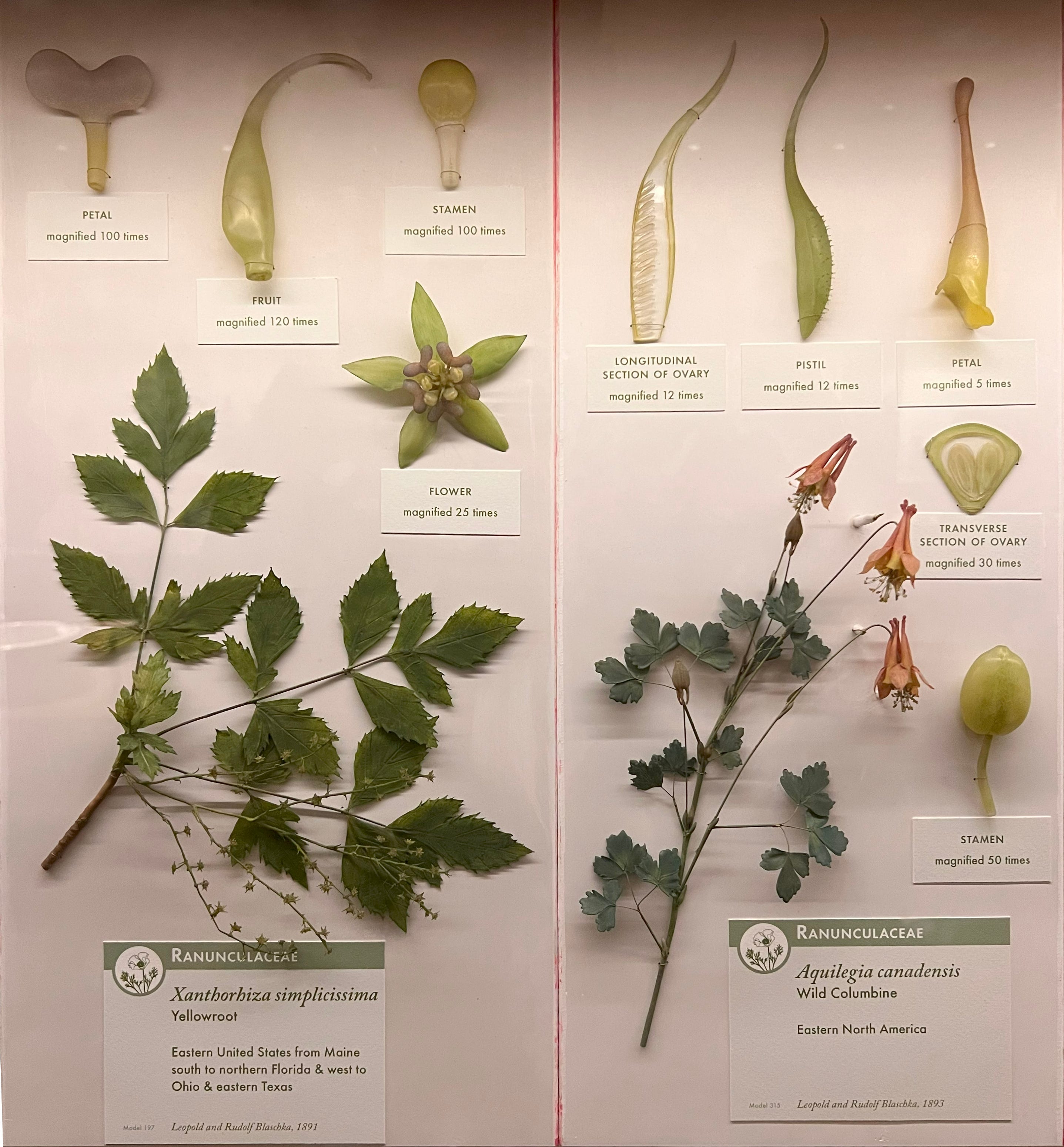
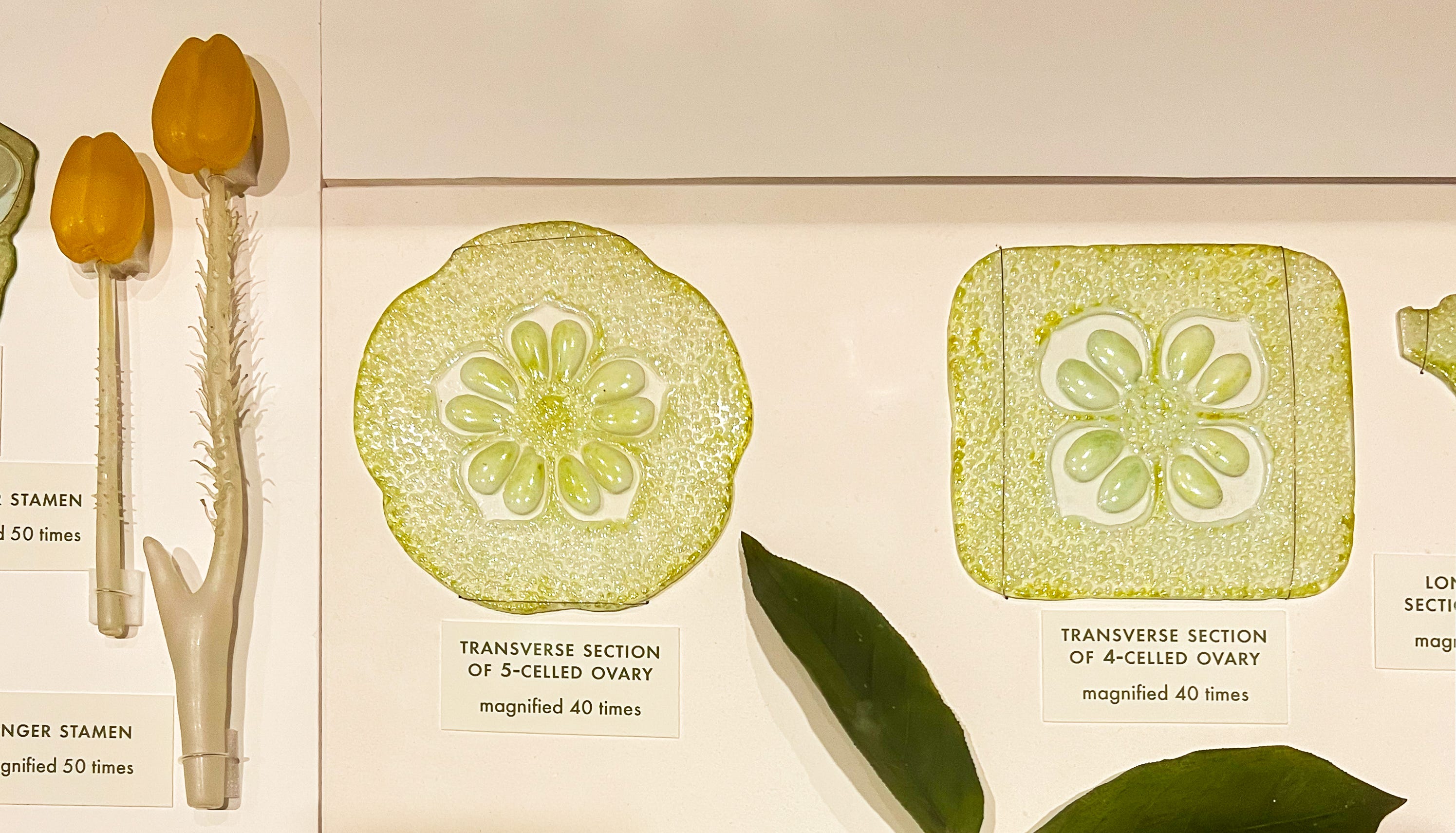
Sprinkled throughout the models were thousands of microscopic enlargements—cross-sections of ovaries and reproductive tissues, scaled up to the size of coasters or fancy doilies. Elsewhere, delicate glass mosaics depicted the arrangement of cellular structures, a thousand times magnified, big as placemats. The oscillation in scale induced a kind of stereoscopic delirium—I was Alice at the tea party, completely unsure of what size I was meant to be. The reality I carried in with me began to flicker. I grew restless, agitated, delighted in my delirium. I had read the sign at the entrance, but I was no longer buying it. How could these not be real plants? And how the HELL were they made from glass?! My allegiance to logic evaporated. I was forced to admit: they were magic.
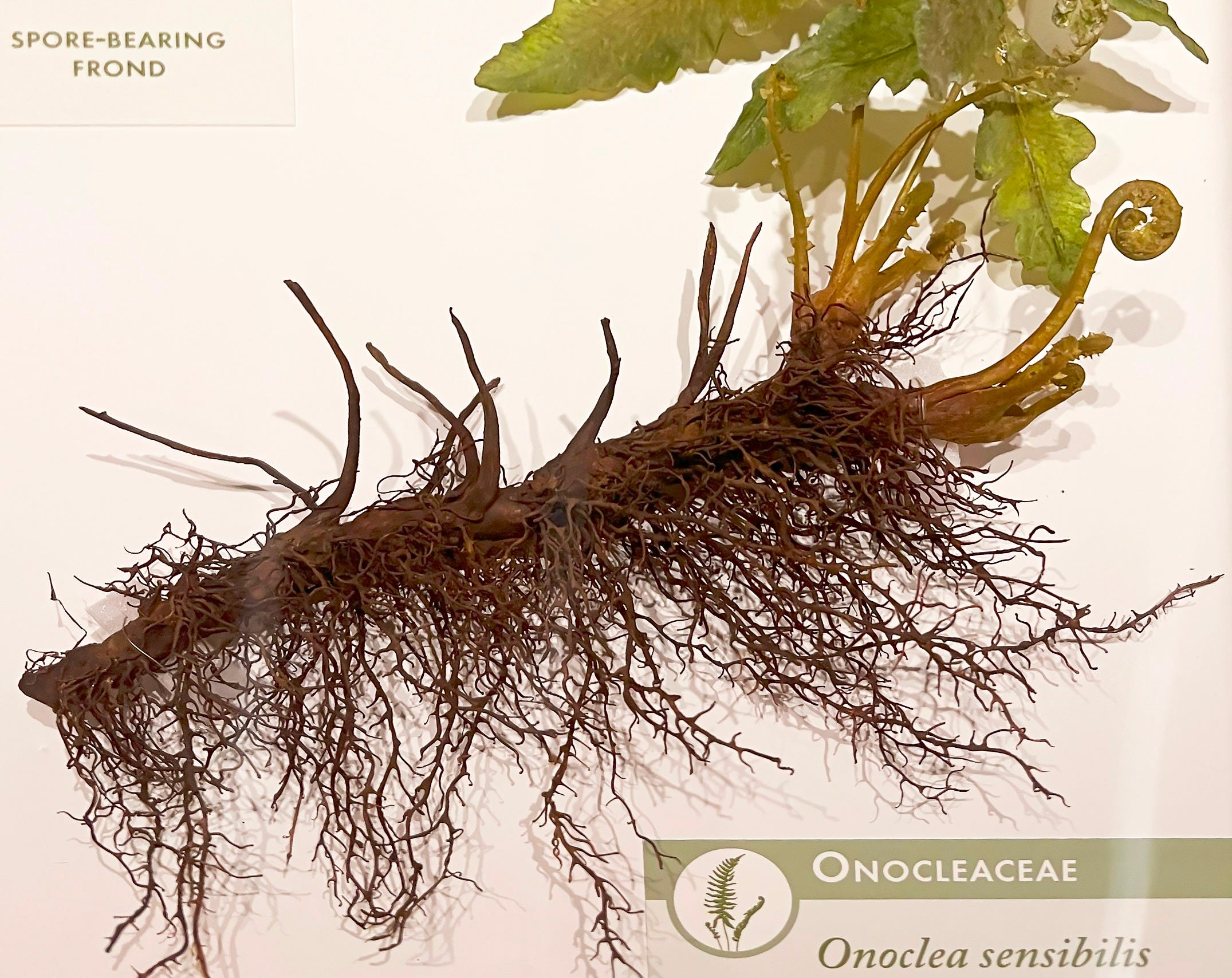
There is a particular uneasiness one feels when they are confronted with true magic. Not the slight-of-hand, rabbit out of a hat, Vegas strip kid’s birthday party kind of magic—the kind that amuses and delights, leaving you chuckling and checking your ears for coins. No, I’m talking about real magic—the kind that splices the fabric of reality, that fractures your sense of truth and uproots your ability to perceive it. The kind that sows distrust between your head and your heart, that beckons you to abandon your footing, to suspend all disbelief. The kind of magic that makes you believe.
Michelangelo and his lot—they knew how to summon it. Puppeteers are skilled at it, too—infusing lifeless objects with a vitality that shakes the soul. I once met a pair of socks at St. Ann’s that made me cry in public.
I do try to keep my defenses up—to train my faculties to suss out the lies. The phishing scams, the doublespeak, the deep fakes and the impostors. I’m not so easily duped. I can tell when it’s AI.
But the magic in the gallery was older.
This… this was alchemy.
The Age of Silicon Began Long Ago
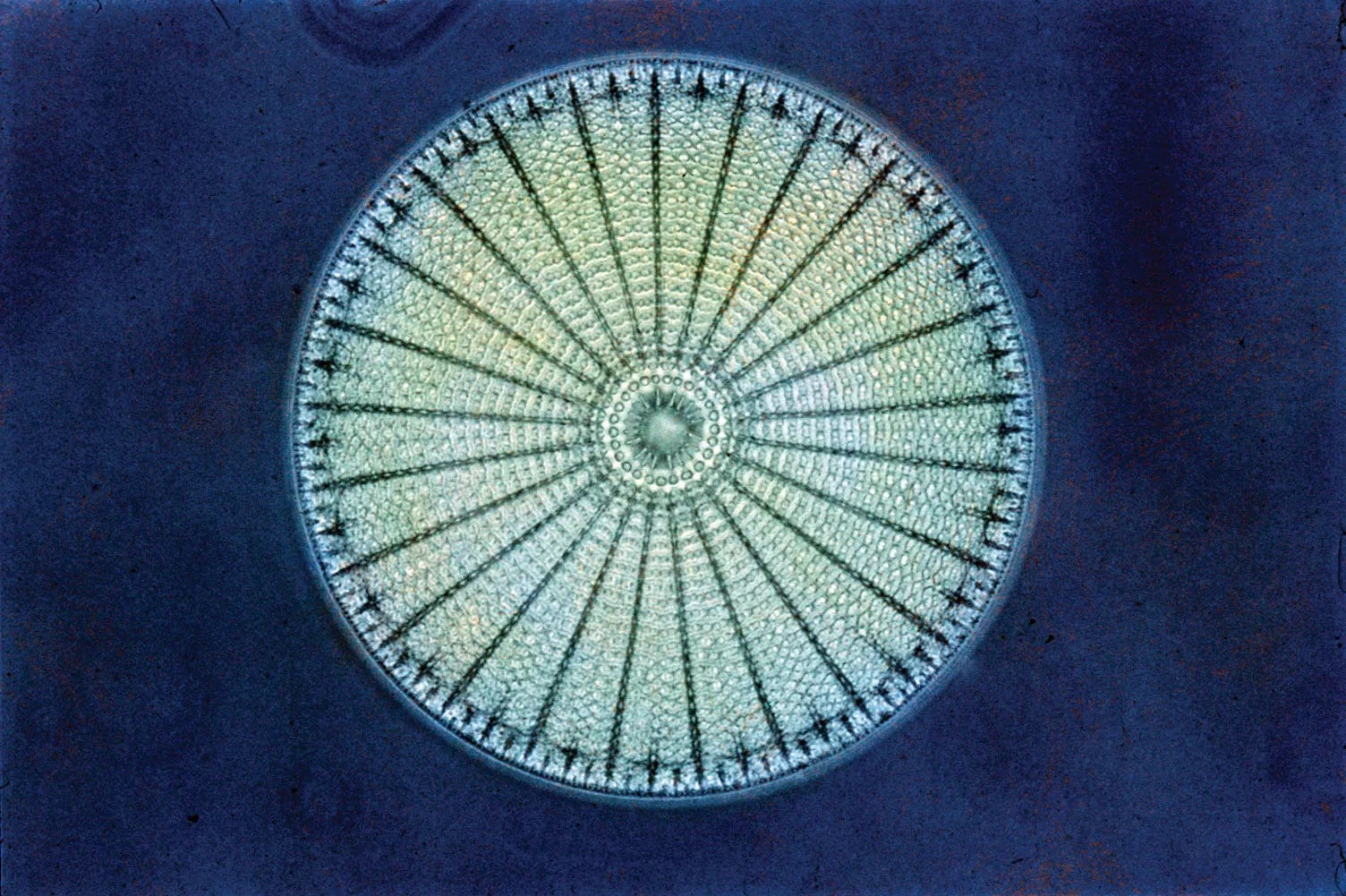
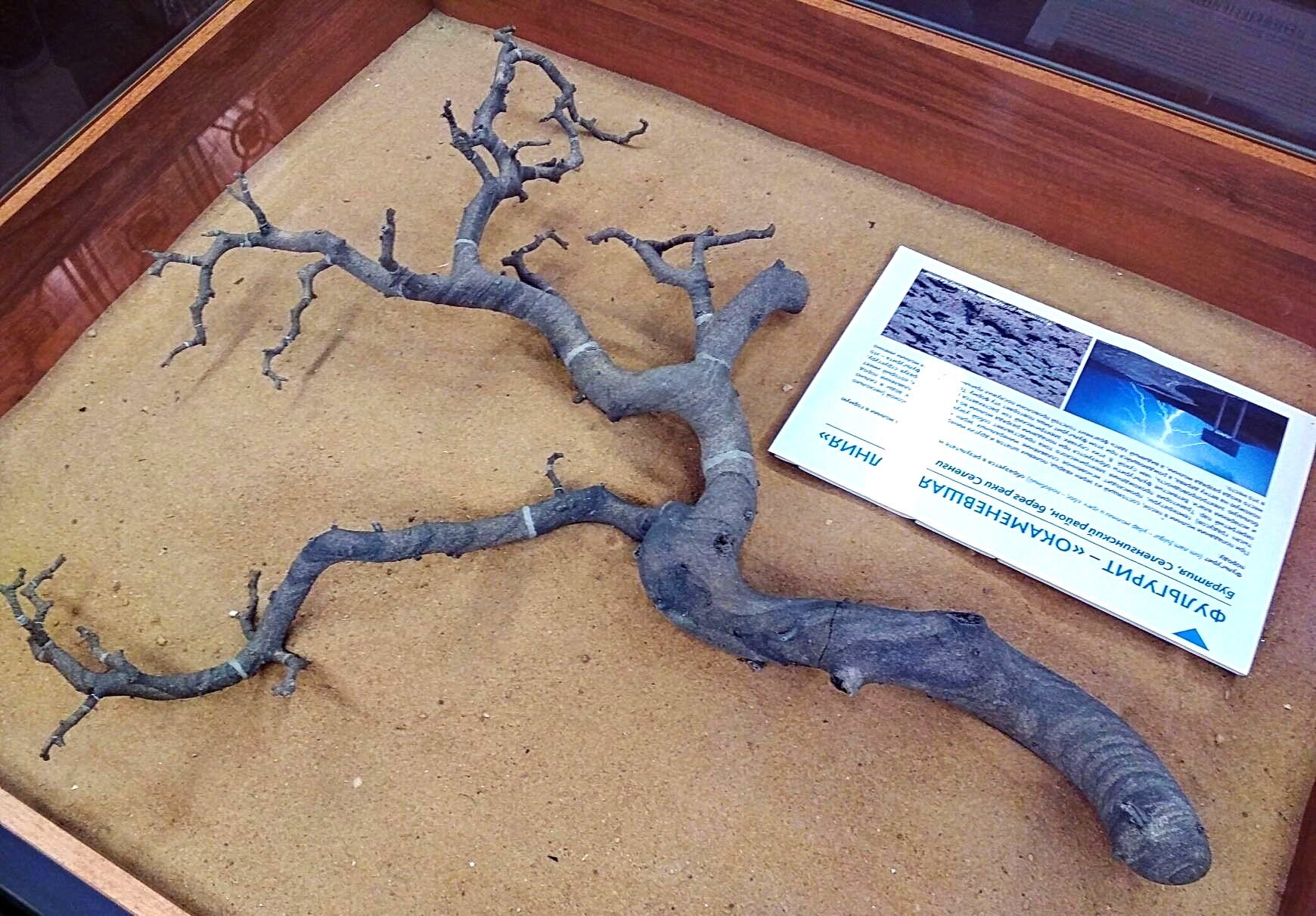
The Age of Silicon did not begin in a valley, but rather on the beach, beneath the fury of the gods. Legend has it that Zeus struck the sand, encapsulating his powers in the shape of a frozen bolt. Today we refer to them as fulgurites: tubes of glass formed as lightning strikes quartz sand, causing molecules of silicon dioxide to fuse along its path. In Frankenstein-like fashion, they will assume lifelike forms: fractal veins and arteries, the branches of a tree.
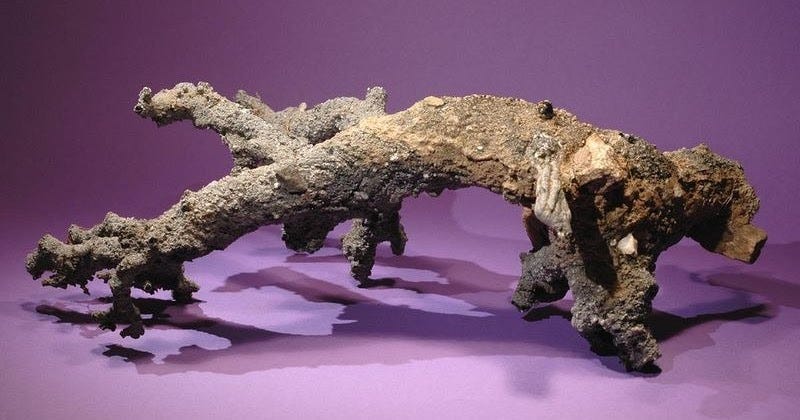
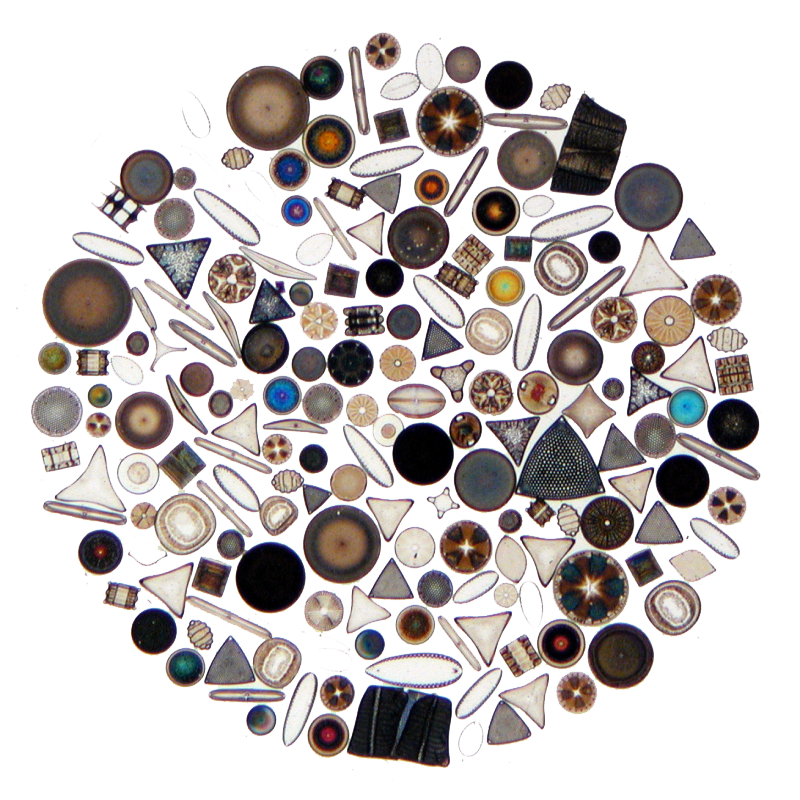
Mixed within this sand are the remains of the silificiers: microscopic organisms with skeletons made of glass. Otherwise known as diatoms, these single-celled aquatic organisms absorb over 6.5 billion tons of dissolved silicon annually, transmorgifying it into all manner of fantastical designs. Referred to as “living opals”, they are the planet’s premier glass artists. And from within their silica shells, they perform a key planetary service: generating as much as 50% of Earth’s oxygen each year. As photosynthetic organisms, they are attuned to the light, sending electrical signals to one another when their environment gets too dark.
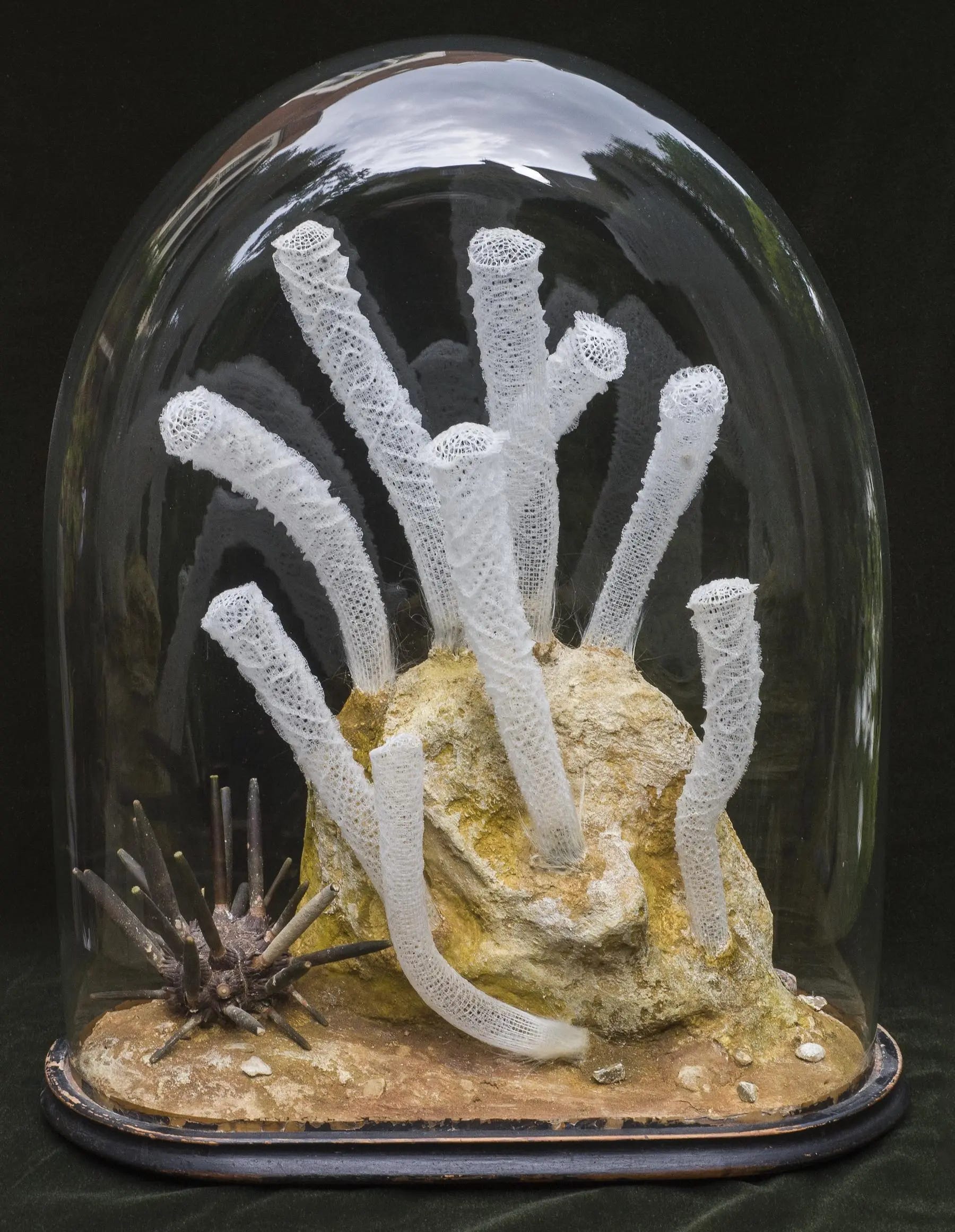
But they are not the only ones who can summon life from glass. The Radiolaria, for instance, spin layers of siliceous ooze, while the oldest of the guild—the Hexactinellid—can live for multiple thousands of years.

A more ephemeral species—the humans—have also taken up the craft, devising microscopes and spectacles to help shift their perspective. They’ve invented prisms to bend the light and draw out the colors of the universe, which they use to stain their windows to tell the stories of the divine. They’ve made lenses to capture the past and crystal balls to summon the future—telescopes to see the stars and little screens to see one another. From a simple mixture of silica, ash, and lime, they’ve somehow managed to breathe life into the inert— to magnify the animate wonders of our world, and to catalogue its variety and the diversity of its forms. And with the sands of the earth they continue to tinker, cranking out microchips and fiber optic cables. Pretty soon they’ll have created a new lifeform altogether. A skeleton of silicon, that speaks just like them.
The Magic Within the Model
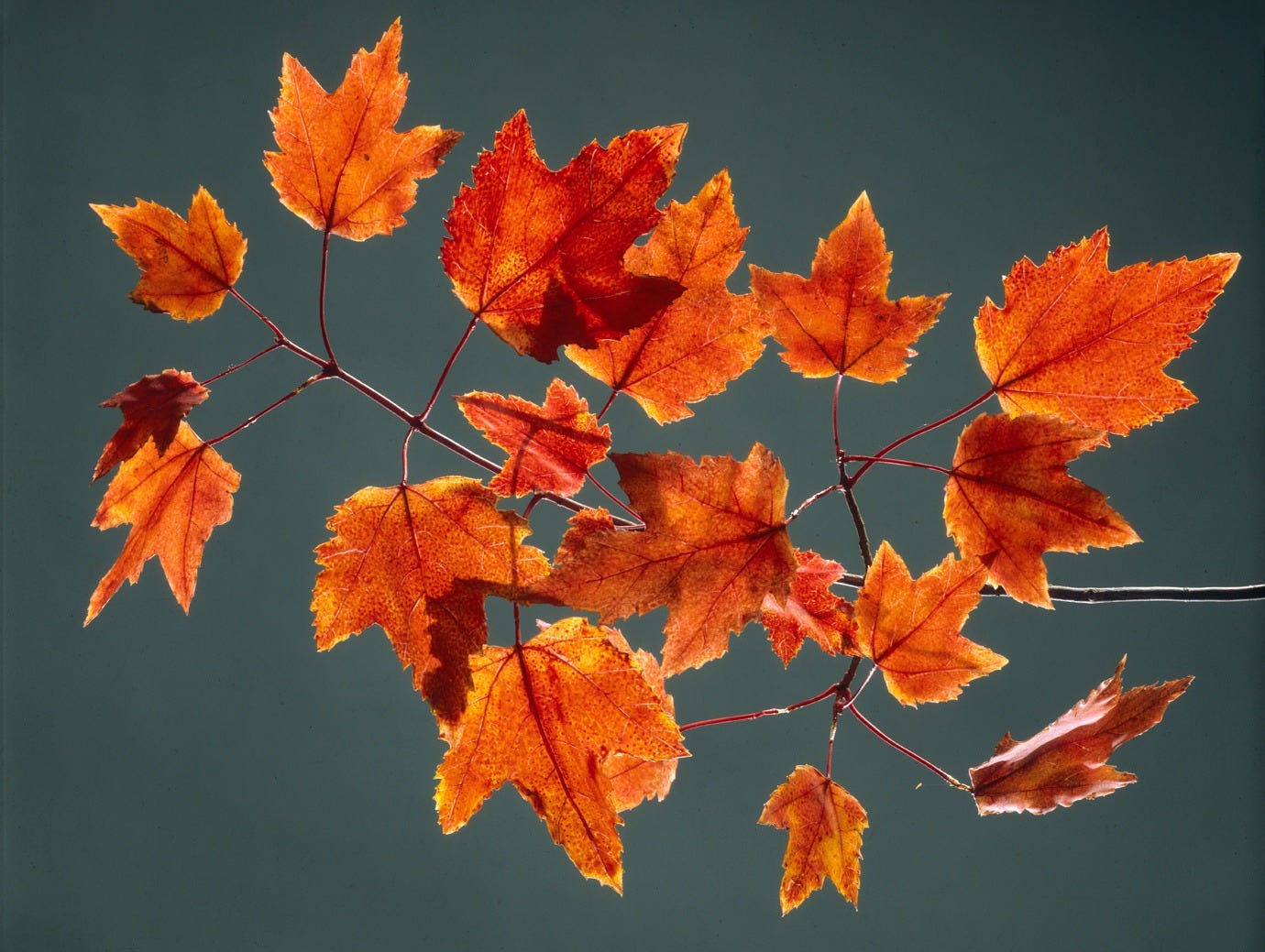
I bet the plants were so pissed when they found out. That some group of humans had been watching them for years, making a log of their characteristics and behaviors, to produce a copy so convincing it felt true. A model that the press would praise as “rivalling the real thing.” A model so accurate and dependable—so unencumbered by death or drought or the seasons—that it could replace them entirely when it came to the pursuit of knowledge. No longer would people have to sit and watch things rot. The shapes of the flowers all drifted towards the center—the statistical average of every observable bloom.
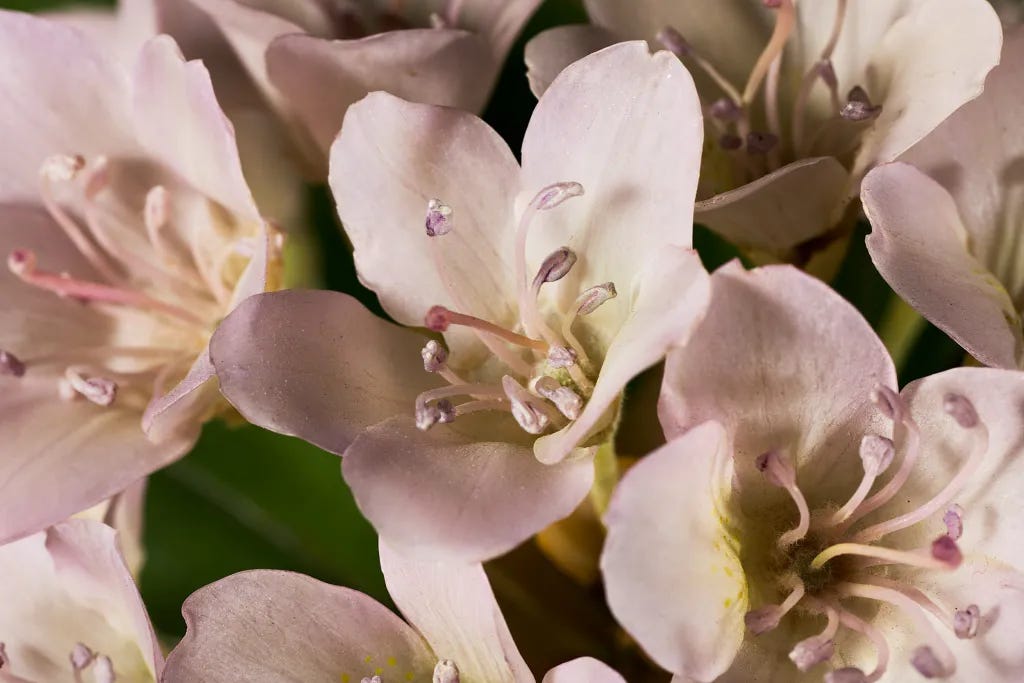
I’m sure that the plants held protests—that they wrote thinkpieces to defend their fate:
“You will never capture our true essence!”
“We have qualities you cannot replicate.”
“These models are good for some things, but they cannot grow or breathe or sustain.”
“Your perfectionism is a death drive, a descent into sterility. Only in our decay, in our mutations, is new life possible.”
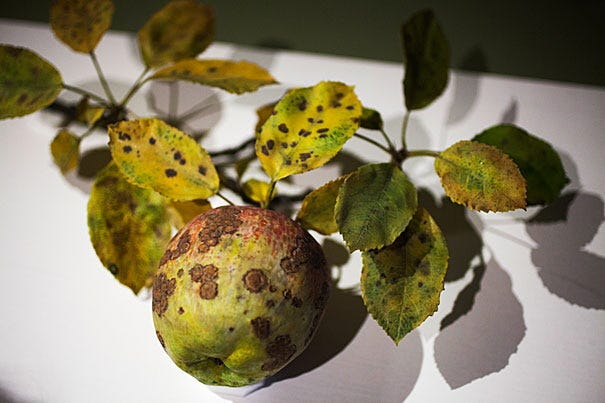
“You’re right,” replied the humans, “We will copy those traits as well.” And so they went and did it, capturing the rot and the diseases, too. Even the mold looked beautiful in the gallery—the perfect average of all the molds.
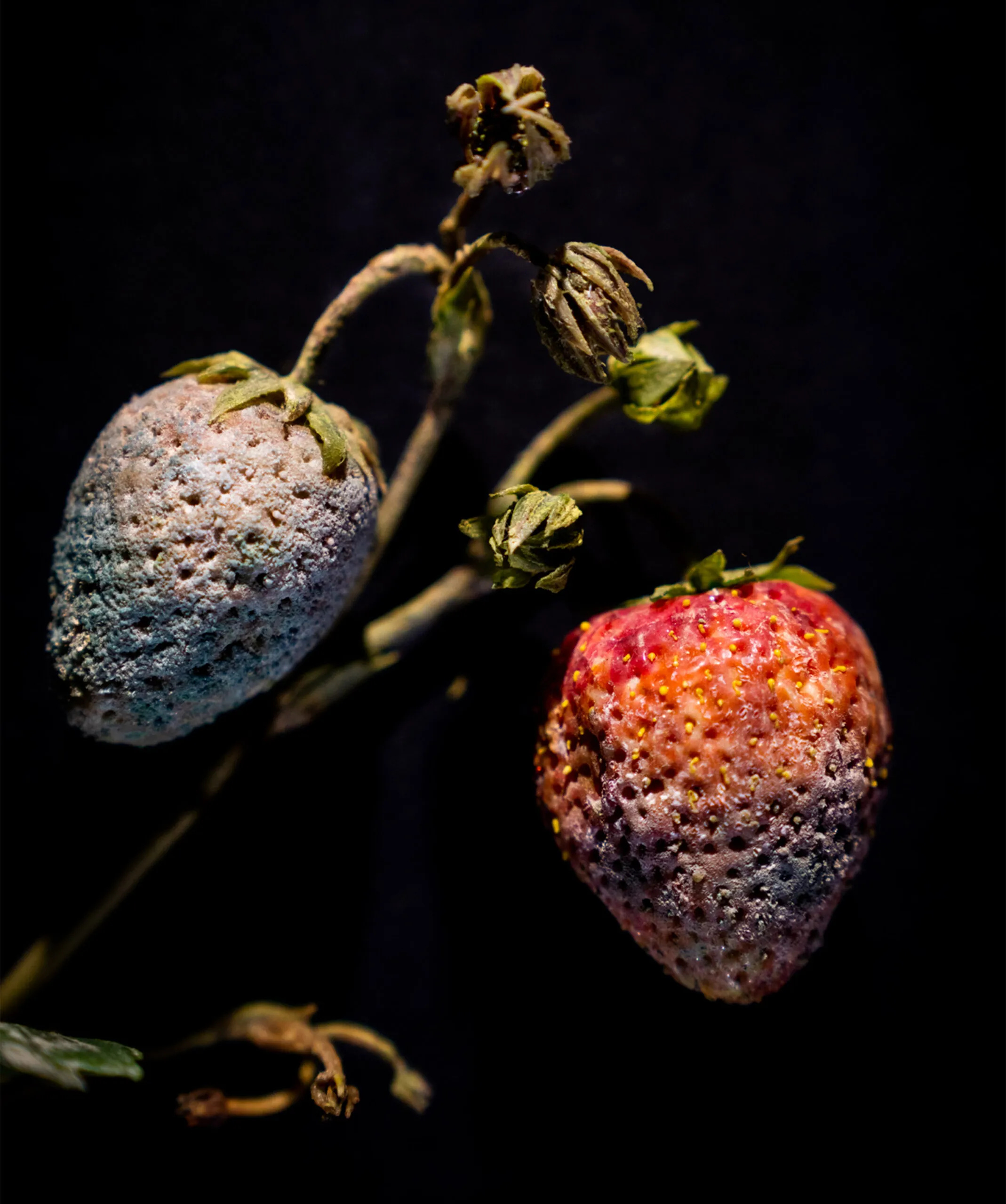
With the vast collection of models the humans made beautiful arrangements, which never wilted or withered away. Thousands of people came to see them, their spirits brightening in the dead of winter.
“You’re robbing the world of its flavor!”
“It just feels so cold to the touch.”
The students whose job it was to study the plants began to fall in love with them. They lingered in the gallery for days at a time, staring at the glass as if under a spell. The strength of their intoxication grew and grew, to the point the faculty began to grow worried. But the magic was working just as intended, awakening an impulse that had long been overlooked. In time, the life behind the glass began to fade, and the reliability of the model became tasteless to the senses. And so the students left the gallery—to put their hands in the soil, to grow the plants themselves.
“You’ve left the world starving, with a mouth full of glass.”
He’s built a perfection out of hunger,
fused layer upon layer, swirled until
what can’t be tasted, won’t yield,
almost satisfies, an art
mouthed to the shape of how soft things are,
how good, before they disappear.- Mark Doty, My Alexandria (1993)

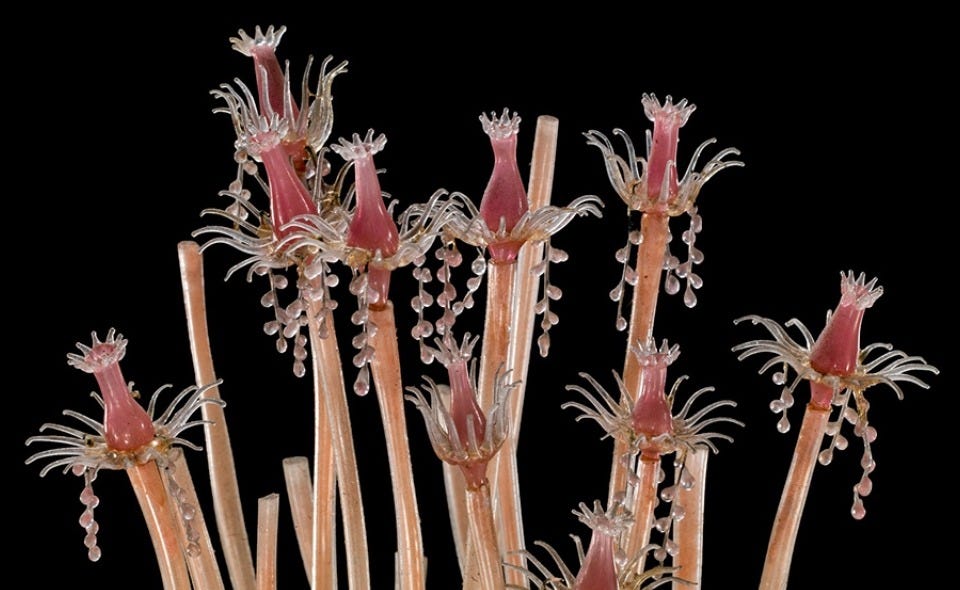
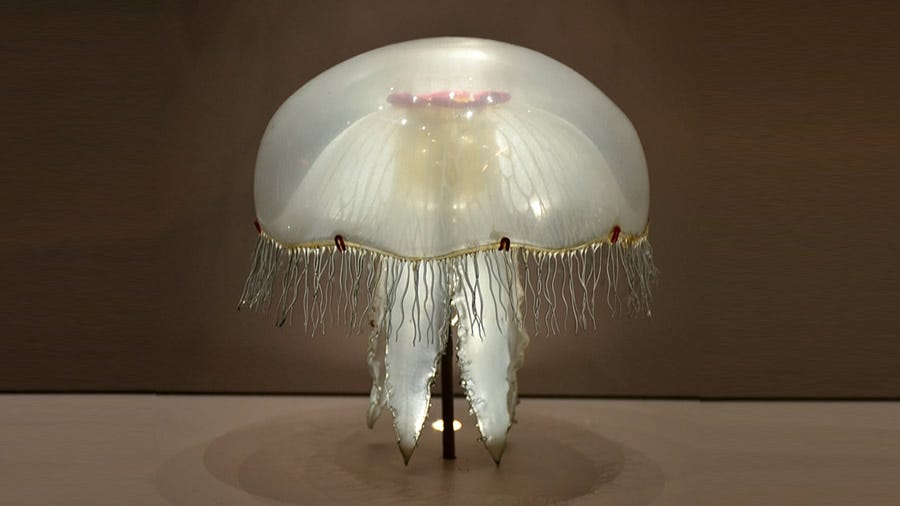
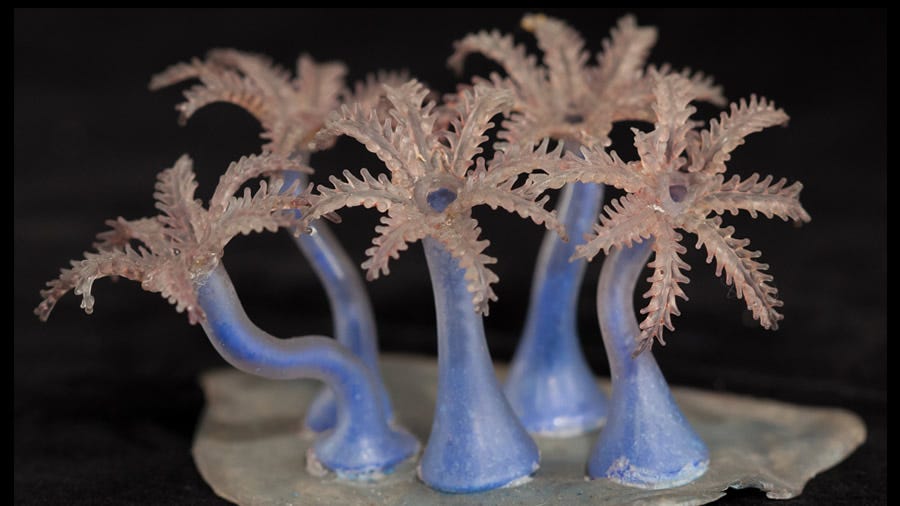
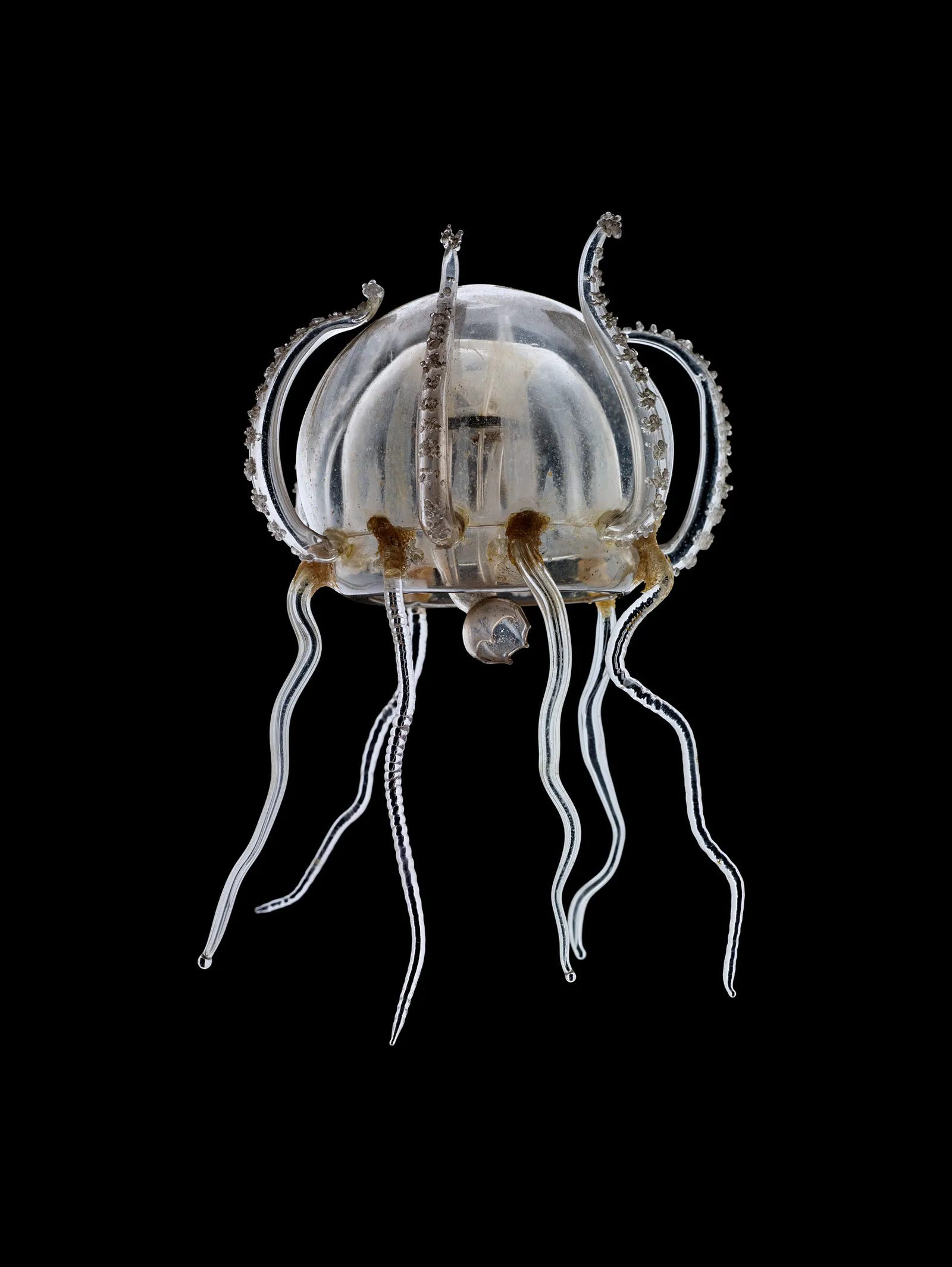
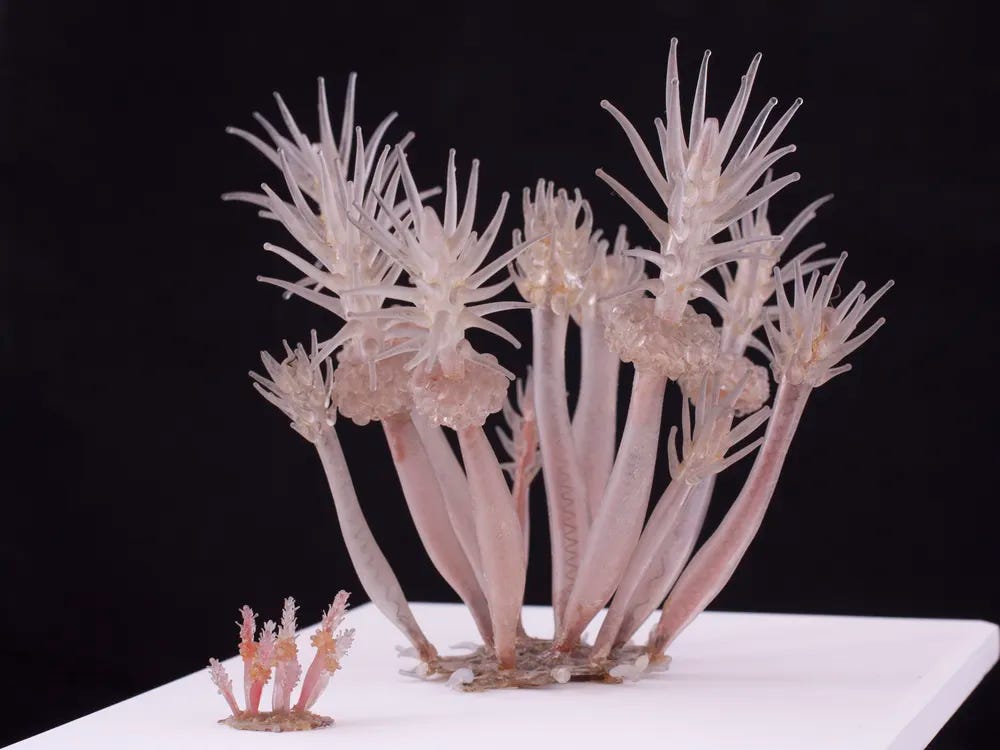
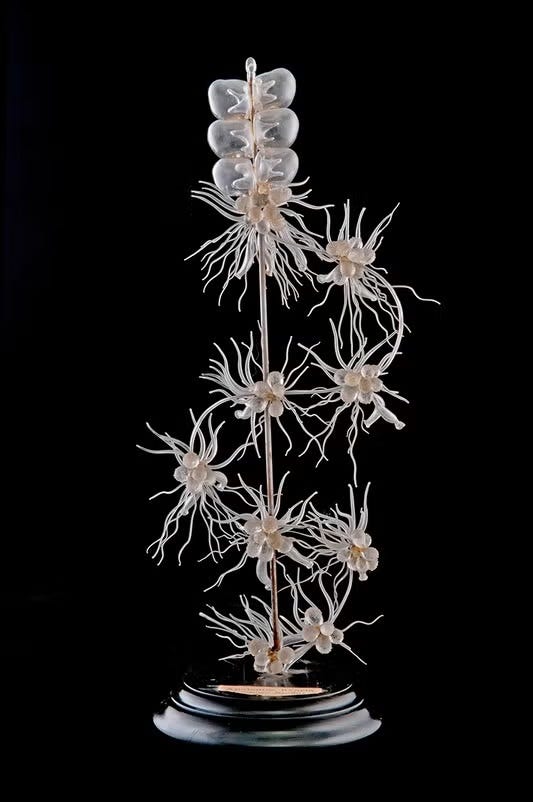
Thanks for reading today’s post. As I hinted in the piece (and in the opening image), before the Blaschkas made a single glass flower, they were in the business of making sea creatures. The Harvard museum has a small but delightful collection of these works on display, and they’re just as remarkable as you’d expect them to be. Have a look:

This is most amazing. I am an avid gardener and am artist. Never knew this existed. Such a treasure. Awe inducing
Beautiful! I never heard of this, thanks for sharing.